Well – here it is guys!! The Brand New 2012 25TE Shearwater with a whole new revamped console, interior and custom livewell system. Powered by a Mercury 250 Optimax – this 25 foot boat handles all of our Inshore /Nearshore fishing needs on the west coast of Florida. The Lowrance HD7 really has some advantages with HD downscan/sidescan and Sirius Weather. All Optima D31M Batteries help power the four 1100gph Rule pumps with an Oxygenator system to ensure that baits and fish stay alive longer. For early morning bait needs or nightime trips it features Shadow-Caster LEDS to bring life into the water around the vessel.
Fishing Report August 2011
What’s hot – With the warmer weather of Summer, most inshore species will seek out deeper water or shaded shorelines that will provide relief from the midday heat. Key areas to look for gamefish are edges and dropoffs that have good current flow. This constant flow of water will help to cool the water down and keep a constant source of nutrition for lazy feeders. Snook are most known for hugging bottom structure and waiting for easy meals to pass by. These linesiders will use the strong push of water to trap baitfish against a sandbar or rocky ledge. Often times a dead bait rigged with a small split shot rolling along the bottom will get picked up in these situations. For live bait, a nose-hooked greenback with a weight at the hook will keep the sardine in the strike zone longer as it drags with the current down the edge. Popping the rod tip every ten seconds will also make the offering flash and catch the attention of nearby predators. The biggest mistake that anglers will make during the summer spawn of Snook is to over feed them. A couple of chummers tossed into a current rip will detect where the fish will lay. This will draw interest and allow a proper presentation.
Tactics – To help beat the summer heat, anglers willing to get out of the boat will find fish a lot less spooky and willing to eat. A trolling bait bucket is all that is needed to bring bait with an angler. Walking along the beach edge and casting parallel to the shore will increase the bite ratio, as Snook and Redfish will not feel the presence of a boat nearby.
Shadow-Caster Marine LEDs
Capt. Jim Huddleston would like to welcome his newest sponsor on board – Shadow-Caster marine LEDs. Look for this great product on Jim’s new 25Te Shearwater Custom Boat coming in mid-August!!
Shadow-Caster brings you a great value in high performance underwater LED lighting. The SCM Underwater LED product line provides you the maximum amount of underwater lighting along with the look of OEM equipment.

Fishing Seminar Update
Fishing Report August 2011
Fishing Report August 1st
With the eastern winds in the morning, the beaches of north Pinellas County have been very calm and allowed anglers to enjoy some great fishing just off the beach. There have been good numbers of tarpon making the migration north and these silver kings have been running just outside the sand bar in the dropoff. Placing a smaller silver mullet under a cork has been the most effective method to hooking up to a 100+ pounder. The swash channels that run parallel to the beach have been holding some good numbers of speckled trout and snook on incoming tides. The best bait offering has been the smaller sardines that found everywhere across the flats inside the passes. Use smaller hooks – such as #1 or 1/0 – and present these baits tight to the shoreline. Freelining will net the most fish and disguise the presentation in the clear water. Farther off the beach in the 12 to 15 foot depths the small rock piles are holding flounder, good sized grunts, Spanish mackerel and grouper to keep the rods bent in the heat of the summer fishing season. While fishing these nearby structures, cobia and larger spinner sharks usually swim into the mix while laying a chum bag over the side.
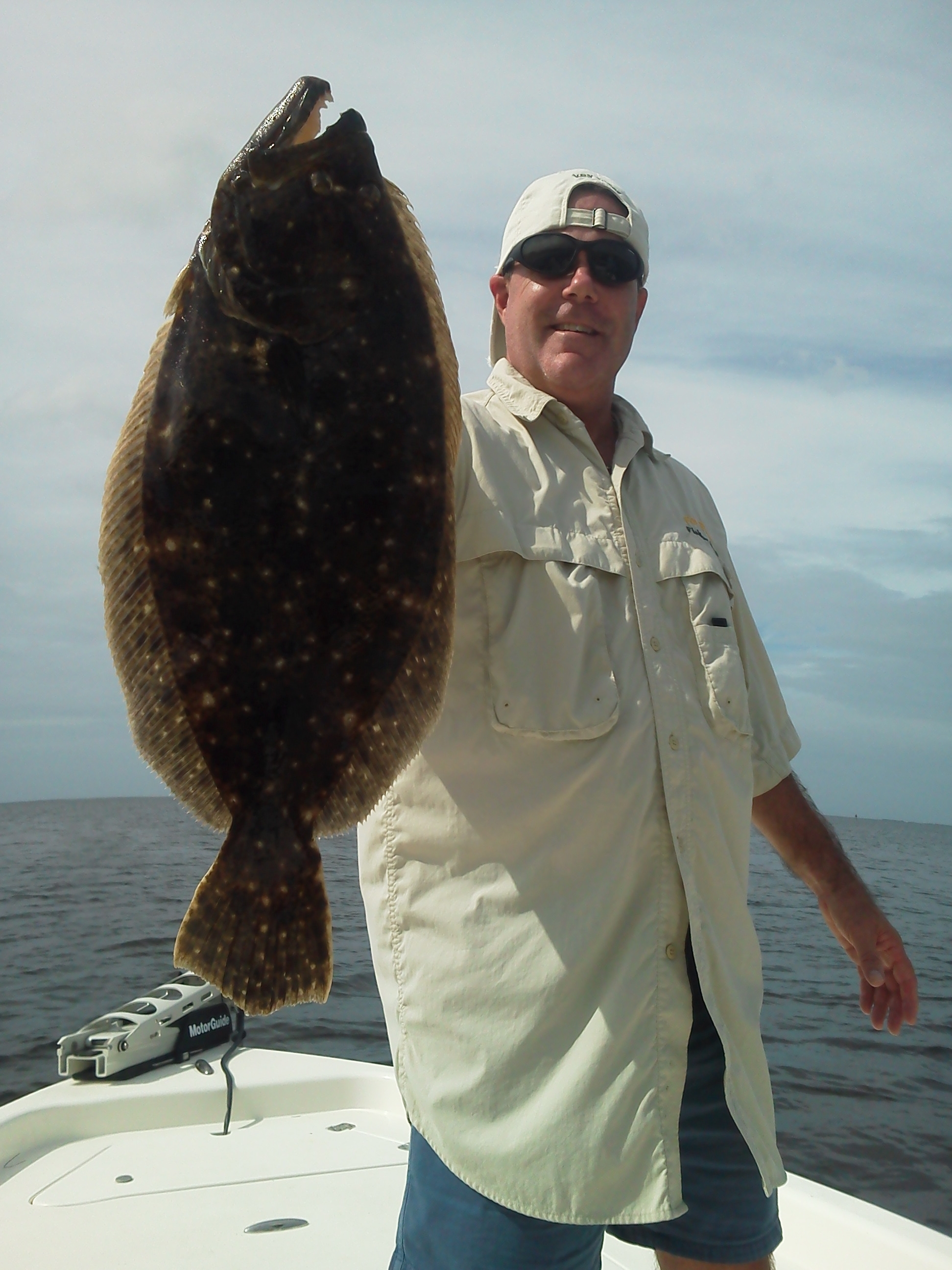
Flounder rigging- The most effective rig for flounder fishing around wrecks is to use a sliding weight above the line to leader with around two ounces of lead. The smaller pinfish and greenbacks are working best when tail-hooked and fishing over the sandy edges off the structure.
Fishing Report July 2011
Fishing Report July 18th
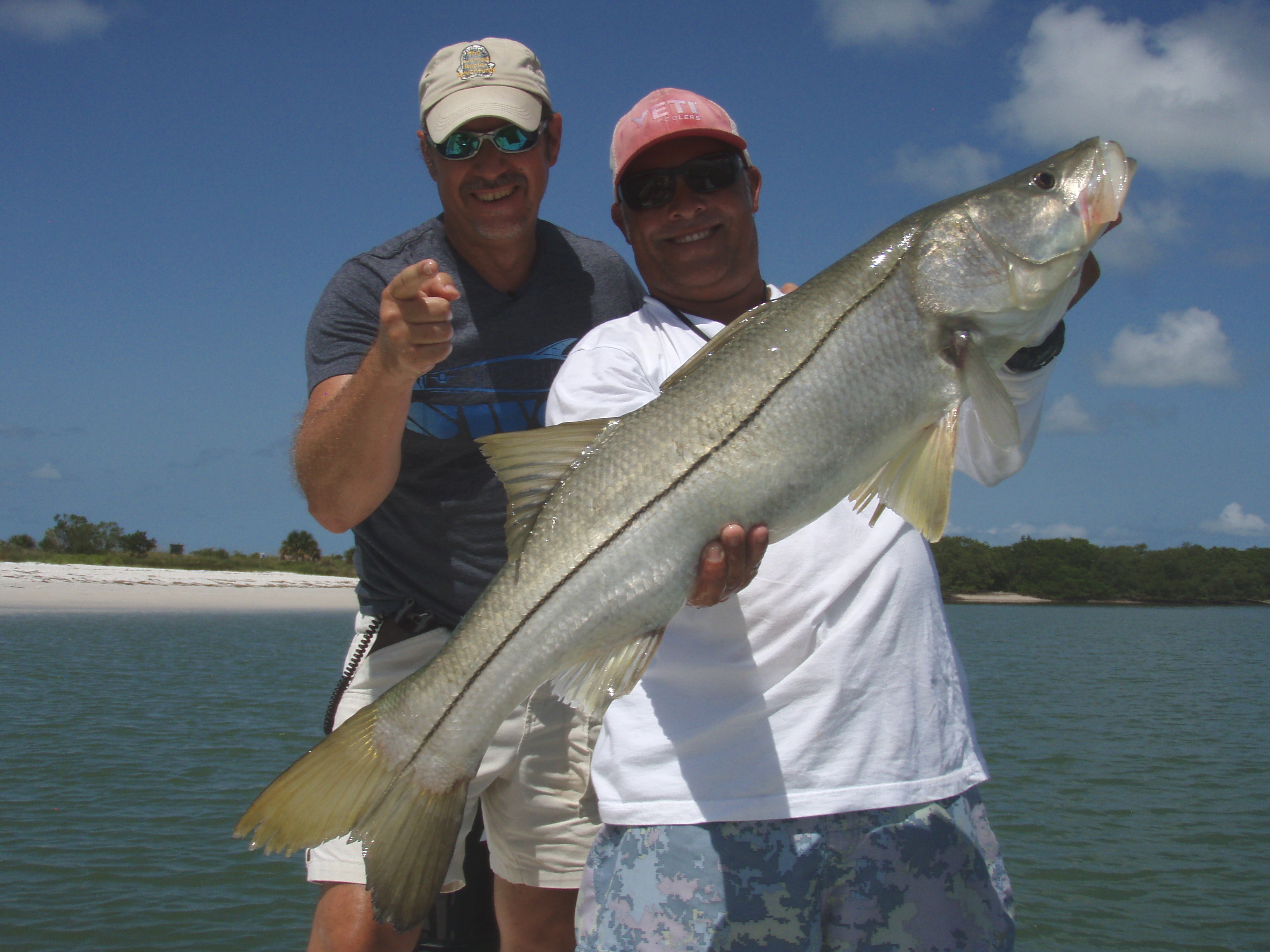
While fishing the shallows of St. Joseph Sound right now, anglers may have the opportunity at larger gamefish that are roaming the flats. The most common species is the bigger snook that have moved in with this last full moon. Most of these linesiders are found along the beaches where the current runs strongest – around points and passes. Though these protected species are for release only, catching a trophy snook along the Gulfcoast is common during the month of July.
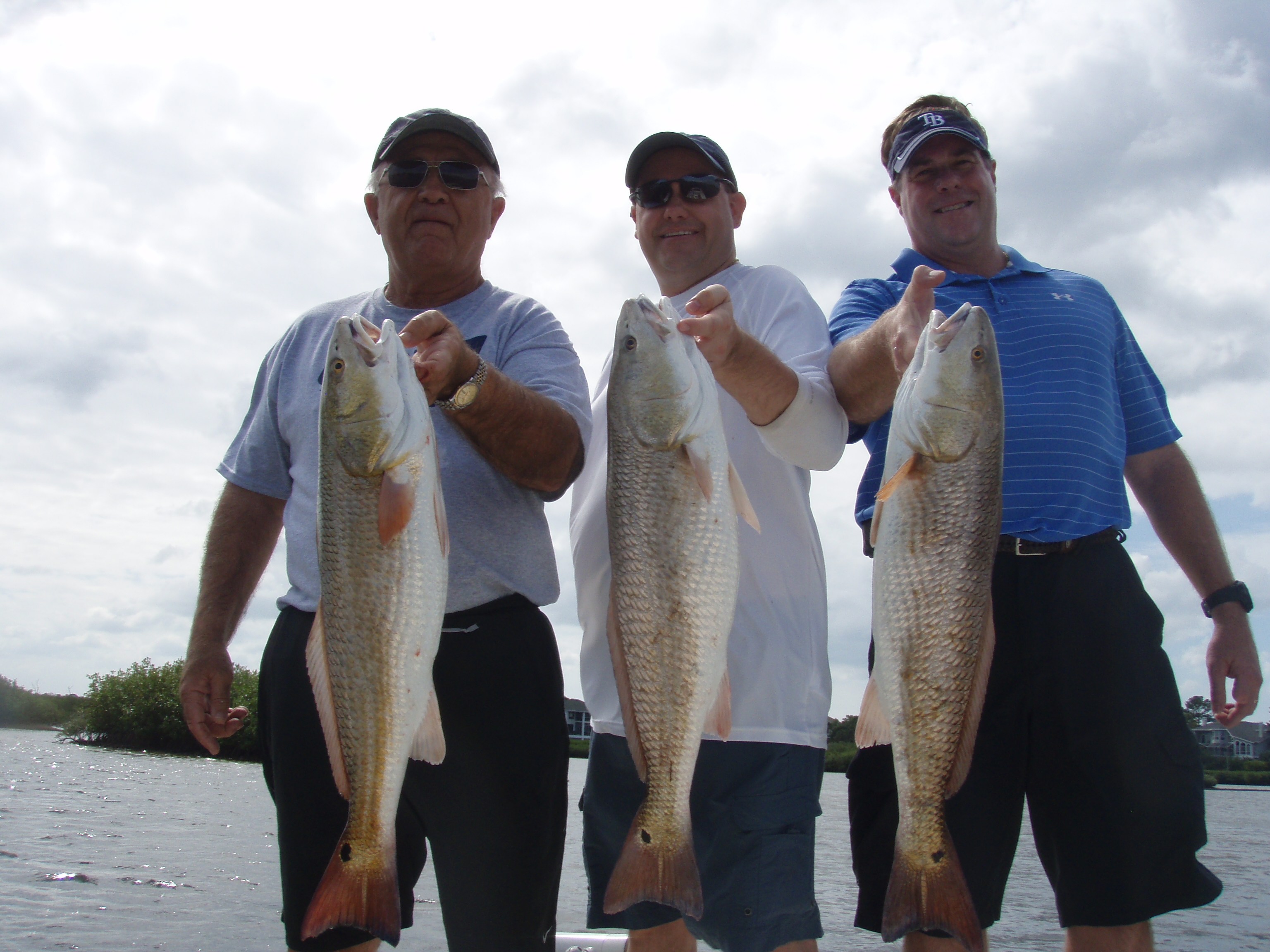
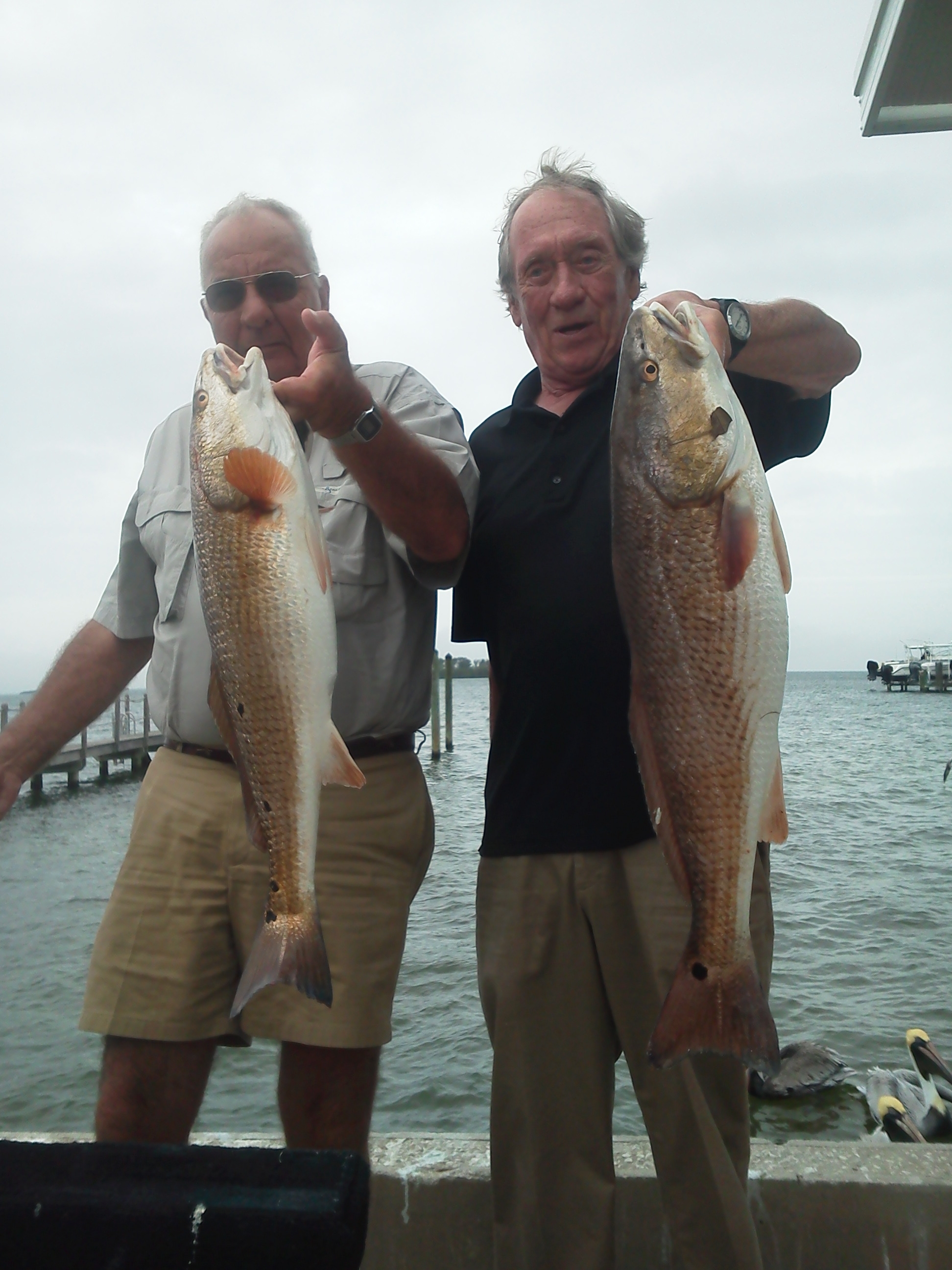
The schools of redfish are great leading up to the moon – but seem to fall apart quickly once the stronger tides are gone. These bruisers are all averaging around ten pounds and are holding with the schools of mullet. A live pinfish tail-hooked has been most productive when the fish are on the move. Be sure to lead the school and not cast on top of the tight ball of redfish – it will only scare them and push them off. Roaming close behind the reds, have been some huge sharks. Five to eight foot black tips and bull sharks are crashing these schools on the outgoing tide. Heavier spinning tackle can be a blast as anglers fight these 100+ pound fish in three feet of water.
Shark Fishing- For larger shark fishing along the flats, anglers will need to use this standard rig: 60 lb. braid attached to 100 lb. leader tied into a 24 inch length of wire with a 8/0 circle hook. This setup works best with the heavier spinning gear , as some of these sharks take to the air and the rod acts as a buffer to the blazing runs.
West Marine Seminar Schedule
Here are some of my upcoming seminars scheduled at the Tarpon Springs West Marine Store. All seminars start @ 6:00 pm.
July 13th -Catching a 20 lb Snook – Learn how to hunt for and catch what every inshore angler seeks — a twenty pound Snook!!
July 27th -Summertime Mango Fishing – Come find out some different tactics to catch mangos off the local nearshore reefs and rock piles.
August 10th – Tournament Tacklebox Selection – Learn how professional tournament anglers catch large redfish on artficials , as well as alternative baits.
August 24th – Trolling Motors 101 – Learn how to rig and maintain a Motorguide Trolling Motor and other electronic components of a bay fishing boat.
Team Miller High Life/Hooters Event
Fishing Report June 2011
Fishing Report For June 22nd
What’s hot: Many anglers are catching large snook along the beaches. These fish seem to be thriving, and good numbers are being caught along the northern Pinellas County coastline. The incoming tide has been exceptionally clear and made snook fall into deeper pockets when the sun gets high.
Technique: The keys to catching a big snook this time of year are presentation and proper baits. When setting up, allow room so the bait can be fed back into the tide, which creates a cushion between the angler and the target zone. Baits that stay deep will often be the first eaten. Pinfish or weighted-down sardines work best in swash channels. Downsizing tackle can also help to persuade finicky snook into eating. Twenty-five pound fluorocarbon leader combined with a 1/0 hook is a great setup on fish that are laid up over open sand.
Bait tactics: As water temperatures rise, it’s difficult to keep sardines and other baits alive in the midday heat of a livewell. Cool the well to bring increased oxygen levels back and keep the baits frisky all day. Freeze a couple of gallon water jugs and place them into the well late in the day.


Fishing Report For May 2011
As the warmer fishing months are here on the west coast of Florida, most inshore fishing revolves around finding schools of fish. Trout will be layed up in deeper green pockets off the beaches and just inside passes where strong currents run across fertile grass flats. Redfish have been bunched up together along the mangroves on high tide and along dropoffs and potholes on lower tides. Snook fishing turns highly addictive during these summer months, as this is when the biggest fish of the year are caught. Many different factors come into play when hunting a trophy snook. Types of bait, strength and depth of tide and the proper tackle are required to give anglers a chance at a twenty plus pounder.
When planning a fishing trip, it helps to look at what factors will give you the best chance at catching the desired species. Tide plays a major role in this equation. On our central gulf coastline, the tidal range is around two to four feet, with greatest variance found around the new and full moons each month. Summertime brings in higher water and allows fish to push up into mangrove shorelines to feed in the shade. When this greater volume of water leaves an estuary, bait and crustaceans will be flushed out through passes where snook and redfish will lay up in the current to feed. When the tides are slower, say only moving a couple of feet on a cycle, work points and sandbars that will create a funneling effect of water and push water more rapidly.
With large numbers of snook congregated on the beaches now, many anglers are having great results when the window of opportunity opens. This window usually coincides with the strongest part of the tide or a major lunar phase that turns these linesiders on for short periods of time. Looking like a dark grass patch on the sand, these small schools of snook are competitive feeders and will crash chummers thrown their way. A belly-hooked bait thrown in with these chummers will swim erratically in a strong tide and won’t go overlooked by nearby game fish. By tossing baits along an edge and allowing it to flow down naturally will attract snook better than baits pinned to the bottom with a weight.
On the incoming tide, the water has been gin clear along St. Joseph Sound and made fishing along the beaches tough when the sun is higher in the sky. Downsizing tackle will draw more strikes, although increase chances of losing that big one. When fish become finicky and won’t strike a frisky sardine, step down in leader size and hook size to draw more strikes. By loosening the drag on the reel, less friction will not cause break offs. Most beach fishing won’t have any obstacles to worry about cutting anglers off on.
When snook start to have a case of lockjaw right now, secondary baits work great. Butterfish, pinfish and grunts are prime candidates for lethargic fish. These three baitfish have a tendency to sit down in the current where lunkers hang. The bigger the better when it comes to trying to catch a twenty plus pounder. When rigging these baits, it is best to barely hook them in the mouth so that when a fish eats the offering, it is an instant hookup. Some fisherman like to run the hook through the shoulders, but then it takes a hard, aggressive hookset and often miss the shot.
Schools of redfish are holding up in the backsides of Honeymoon and Anclote island where there is not much traffic to disturb them. Larger fish are the norm in these bronze packs as the fish are averaging from 24 to 32 inches. A trolling motor or push pole is the easiest method to get near these skittish fish. On incoming tides, tailing reds are pushing up in skinny water and chasing bait in the sandy potholes. The most stealth approach is to get out of the boat and wade to them. The rich turtle grass flats of Anclote Key are firm enough as you won’t sink too much approaching the redfish. Copper spoons with brown bucktail trailers are working great in this low water condition. It resembles the many crabs and chubs running around these flats. Once the water gets high, these fish are pushed up against the mangroves. Work the opening in the bushes, as these are prime ambush spots. Submerged oyster bars against the trees is another great area to look at on flood tides.